HR Tech
What is Applicant Tracking Software? Enhance Your Hiring Process
What is Applicant Tracking Software? Enhance Your Hiring Process
An Overview of Applicant Tracking Systems (ATS)
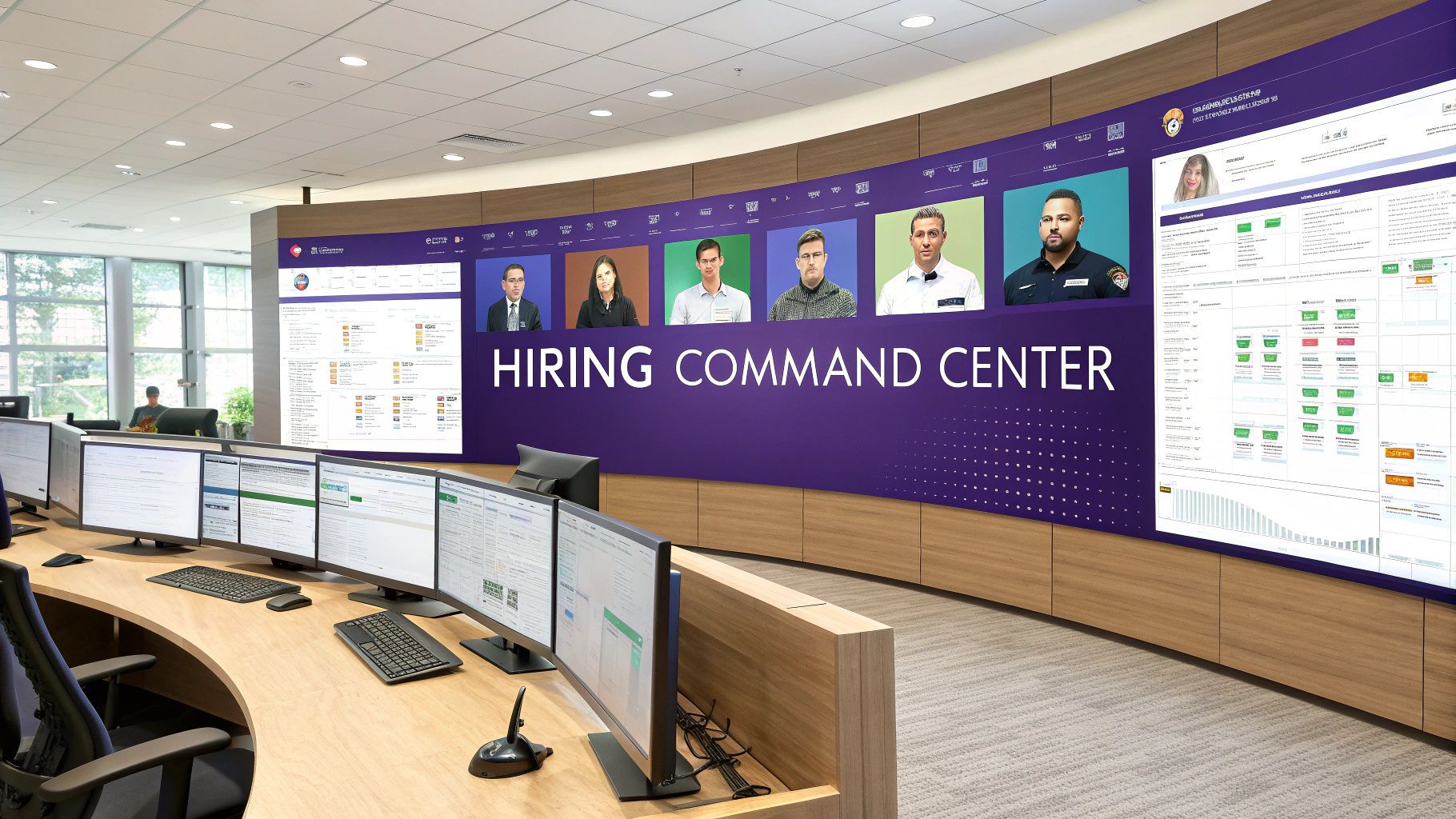
An applicant tracking system (ATS) is software that serves as a central hub for all hiring activities. It assists businesses in organising, automating, and enhancing the recruitment process, from the initial posting of a job advertisement to extending the final offer.
Listen to the Podcast HERE:
Your Recruitment Hub
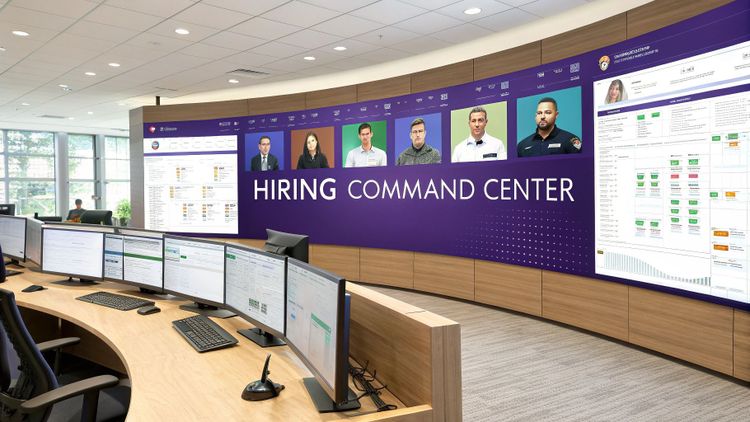
Imagine trying to manage a bustling airport without a control tower. Planes (your candidates) would arrive at all times, communication would be chaotic, and safely directing everyone would seem nearly impossible. For many, this is what recruitment feels like without modern tools—overwhelmed by CVs, losing track of promising candidates in cumbersome spreadsheets, and spending hours on repetitive tasks.
An applicant tracking system acts as an air traffic controller for talent acquisition, providing a single platform to manage every aspect. It's more than just a digital CV storage; it's an intelligent system that guides candidates smoothly through the recruitment journey.
From Reactive to Strategic Recruitment
Without an ATS, hiring often becomes reactive. You post a job, get inundated with applications, and spend days trying to manage the workload. An ATS shifts this dynamic, turning recruitment into a strategic function by automating mundane tasks, freeing up your team to focus on building genuine relationships with top candidates.
The growing recognition of this shift is evident. By 2023, the UK's Applicant Tracking System (ATS) market was valued at £55.8 million and is expected to grow to over £92.5 million by 2033, indicating a trend towards digital HR tools. More about the UK's ATS market growth can be found in various reports.
An ATS transforms recruitment from a time-consuming task into a data-driven process. Its main goal is to help you hire better talent, faster, by eliminating administrative hurdles and improving the overall candidate experience.
This transition is crucial for any UK business aiming to attract top talent. A seamless process not only saves time and money but also strengthens your employer brand. Candidates who experience a professional application process are more likely to view your company positively, even if they don't secure the role.
The contrast between manual recruitment and one supported by an ATS is clear. Here's a breakdown of what that looks like.
Manual vs ATS-Powered Recruitment at a Glance
The table below compares the traditional, disorganised method with the new, ATS-driven process designed for efficiency and collaboration. It's like the difference between using an outdated paper map and a real-time GPS. Both may get you there, but one is far more reliable and efficient.
| Recruitment Task | The Old Way (Manual Process) | The New Way (With an ATS) |
|---|---|---|
| Job Posting | Manually posting to each job board individually. | Post to multiple job boards with a single click. |
| Application Management | A crowded email inbox and disorganised spreadsheets. | A centralised dashboard with all candidate data. |
| Candidate Screening | Manually reviewing each CV. | Automated screening based on keywords and skills. |
| Communication | Inconsistent, manual emails; candidates left uninformed. | Automated, personalised communication at each stage. |
| Collaboration | Forwarding emails, sharing disjointed notes. | Team members share notes and feedback in one place. |
| Reporting | Guesswork or time-consuming manual data compilation. | Instant, data-driven reports on hiring metrics. |
As illustrated, an ATS doesn't just simplify recruitment; it fundamentally changes how you approach hiring, providing a competitive advantage.
How Applicant Tracking Software Works
An applicant tracking system transforms recruitment chaos into an organised process through smart automation. Let's explore how this software becomes your central resource, from posting a job to making a hire.
When a new role needs filling, an ATS allows you to post a job description across multiple platforms with just a few clicks, reaching a wider talent pool without the administrative burden.
Capturing and Organising Applications
Once applications arrive, the ATS processes each one, extracting key information to build a structured profile for every candidate. This turns a chaotic inbox into a searchable database, much like organising a library by genre, author, and title.
The infographic below demonstrates how the ATS simplifies the process into clear, manageable steps.
This systematic approach creates an efficient hiring funnel.
Screening and Shortlisting
With a database in place, the ATS automates the screening process, saving time and enhancing fairness by applying consistent standards to all applications.
Predefined criteria, such as skills or qualifications, allow the system to score and rank candidates without replacing human judgment, presenting the most promising ones first.
This automation reduces the candidate pool to a manageable shortlist efficiently, allowing focus on top contenders.
Collaboration and Communication
After shortlisting, the ATS serves as a collaboration hub, streamlining communication and feedback among hiring team members, creating a transparent evaluation process.
For more insight into how these systems reshape workflows, consider exploring guides on how an ATS can enhance your hiring process.
The software continues to handle workflows with features like:
Automated Communication: Send personalised status updates to candidates.
Interview Scheduling: Integrate with calendars to find suitable times, sending automated invites and reminders.
Offer Management: Generate and track offer letters through the platform.
By managing administrative tasks, applicant tracking software enables your team to focus on the human aspects of hiring: building relationships, conducting interviews, and selecting the best candidate.
Essential Features of a High-Quality ATS
Not all applicant tracking systems are equal. While most store CVs and track applicants, the real difference lies in features that simplify your workflow and add value. A high-quality ATS is your proactive recruitment partner.
Let's explore the features that elevate an ATS, helping you make smarter, faster, and more collaborative decisions.
Centralised Candidate Database and CRM
A strong ATS must include a centralised candidate database that also serves as a Candidate Relationship Management (CRM) system. It's your private talent network, including past candidates for future roles.
Instead of losing excellent candidates, you can tag them for future openings, building proactive talent pipelines. This approach reduces time-to-hire and recruitment costs.
A great ATS allows you to stop recruiting from scratch each time. It turns past applicants into a valuable talent resource for future roles.
Automated and Personalised Communication
Poor communication is a major recruitment issue. Being left in the dark creates a negative experience that can damage your brand. A great ATS addresses this with robust communication tools.
Beyond simple acknowledgements, look for systems offering:
Custom Email Templates: Send personalised updates for different process stages.
Automated Messaging: Automatically send emails as candidates move stages.
Bulk Personalised Messages: Address candidates by name and job role, even in bulk communications.
This automation ensures a professional candidate experience without adding to your team's workload.
Collaborative Hiring Tools
Hiring involves recruiters, managers, and team members. A great ATS unifies everyone, ending the chaos of email chains and conflicting notes.
With collaborative features, your team can:
Share Notes and Feedback: Store comments on candidate profiles for team access.
Use Scorecards: Standardise evaluations with custom scorecards.
Tag Team Members: Use ‘@’ mentions to engage specific colleagues and maintain smooth communication.
This creates a transparent record of every candidate, enhancing the decision-making process.
Integrated Interview Scheduling
Scheduling interviews is a notorious time-drain. A top-tier ATS integrates with calendars like Outlook or Google, eliminating this hassle.
Instead of endless emails, candidates can select convenient interview slots, automatically added to everyone’s calendar. It's a simple feature that saves hours and presents your company as organised.
Powerful Reporting and Analytics
What truly distinguishes a great ATS is its ability to provide actionable data from your recruitment activities. An advanced dashboard shows what's working and what's not.
With analytics, you can track metrics like:
Time-to-Hire: Identify process bottlenecks.
Source of Hire: Determine which job boards deliver the best candidates.
Funnel Conversion Rates: Identify where candidates drop off.
This data allows strategic decisions to improve your hiring process. For a detailed comparison of platforms, consider exploring our guide on the best applicant tracking systems in 2024.
Real-World Benefits of Using an ATS
Understanding what an ATS does is one thing; seeing its real-world impact is another. Why should your business invest in this technology?
The answer lies in four key benefits. An ATS isn't just about tidying your process; it's a strategic asset delivering results in efficiency, talent quality, brand reputation, and legal compliance. These are essential for growth in a competitive market.
Let's examine the tangible outcomes.
Save Time and Money
The immediate benefit is saving time and resources. Consider the hours your team spends on repetitive tasks—posting jobs, sifting CVs, and scheduling interviews. An ATS automates these, allowing focus on engaging top candidates.
This efficiency leads to cost savings. A faster process reduces advertising spend and productivity loss while roles remain unfilled. The impact is driving market growth.
The UK's Applicant Tracking System market was valued at USD 355 million in 2023 and is projected to reach USD 586 million by 2029, growing at an annual rate of 8.55%. This highlights the value businesses derive from these platforms. More on this growth can be explored in this market report.
Improve Quality of Hire
A quicker process is beneficial, but hiring the right person is crucial. An ATS enhances your screening process, ensuring focus on qualified candidates from the start.
Automated screening and collaborative evaluations with standardised scorecards reduce bias, helping you identify the best-fit candidate purely on merit.
Deliver a Standout Candidate Experience
Your hiring process reflects your employer brand. A smooth, responsive experience attracts top talent and protects your reputation. An ATS facilitates a professional journey for every applicant.
Automated communications keep candidates informed. Timely updates, simple forms, and easy scheduling show respect for their time and effort. This positive experience is crucial, as detailed in our guide on creating an outstanding candidate experience. A great experience can turn applicants into advocates, even if they don't get the job.
Ensure Critical UK Compliance
Data protection is vital for UK businesses. Managing candidate data manually poses compliance risks, especially with GDPR. An ATS is designed with data security in mind.
Here's how a modern ATS ensures compliance:
Secure Data Storage: Centralises candidate information in a secure, encrypted database.
Consent Management: Automates the process of obtaining and tracking data consent.
Data Retention Policies: Sets automated rules to delete data after a specified period.
This framework protects against potential fines and reputational harm while demonstrating ethical data handling.
Choosing the Right ATS for Your Business
Selecting an applicant tracking system is a significant decision. It requires finding a partner, not just a product—a system that will grow with you and simplify your team's work.
The market underscores the importance of these tools for UK employers. In 2024, the UK's ATS market was valued at USD 77.50 million and is expected to reach USD 128.66 million by 2034. More on this trend can be found in reports exploring the UK ATS market's growth. This growth underscores the need for careful, considered choices.
To choose wisely, focus on scalability, ease of use, and integration with your existing tools.
Assess Scalability and Future Growth
The ATS must handle more than your current hiring needs; it must be ready for future growth. A system that can't keep up will become a hindrance. Consider if the platform can handle increased job posts, applicants, and users smoothly.
Look for flexible pricing that allows adding features or users as your team expands, avoiding rigid contracts that quickly become outdated.
Key Takeaway: Think long-term. Your ATS should be an asset that scales with your business, not a temporary solution you'll outgrow.
Prioritise Ease of Use for Your Team
Even the best software is useless if your team finds it difficult to use. The best systems are intuitive with a straightforward layout, requiring minimal training. Busy hiring managers and recruiters need a tool that simplifies their day.
When evaluating options, insist on a live demo or free trial. Test its ease in performing basic tasks:
Posting a new job: Is it quick and simple?
Reviewing candidates: Can you filter and view profiles easily?
Collaborating with others: How straightforward is it to share feedback?
A user-friendly system will see higher adoption, ensuring you realise its full value.
Check Integration Capabilities
Your ATS must integrate smoothly with the other tools your business uses daily. Before committing, ensure it connects with your essential software.
Review your current tech stack:
Email and Calendars: Does it sync with Outlook or Google Calendar for seamless scheduling?
Job Boards: Can you post directly to key job boards?
HRIS Systems: Does it connect with your HR software for a smooth handover when a candidate becomes an employee?
Solid integrations prevent data silos and create an efficient workflow. It's one of the best ways to optimise your recruitment process and eliminate tedious data entry. Without it, your team wastes time switching between platforms, negating the purpose of an ATS.
Choosing the right ATS requires strategic consideration. To help you compare options, we've created a practical checklist.
ATS Evaluation Checklist for UK Businesses
Use this table to evaluate systems based on criteria important for UK businesses.
| Feature or Consideration | Why It Matters | Key Questions to Ask |
|---|---|---|
| Ease of Use & Adoption | If it's not intuitive, your team won't use it, affecting ROI. | Can we get a free trial or demo? How much training is needed? |
| Scalability & Pricing | The system must grow with your business. | Does pricing scale with users or hiring volume? Hidden costs? |
| Integration Capabilities | An ATS should unify your tech stack. | Does it integrate with our HRIS, calendars, and job boards? Open API? |
| Reporting & Analytics | Data is crucial for optimising hiring strategy. | What reports are available? Can we customise reports? |
| Candidate Experience | A smooth process attracts top talent. | What is the candidate's application experience like? Mobile-friendly? |
| Customer Support (UK-Based) | Fast support is essential for resolving issues. | Is support available during UK hours? Typical response times? |
| GDPR & Data Security | Non-compliance carries risks. | Where is data hosted? Features for GDPR compliance? |
This checklist covers core areas for evaluation. By asking these questions, you'll be better positioned to select an ATS that meets your needs now and supports future success.
Common Questions About Applicant Tracking Software
Despite understanding the benefits, you may have lingering questions. Here are answers to common queries about applicant tracking systems, providing confidence in choosing an ATS.
Can An ATS Improve Hiring Diversity and Inclusion?
Yes, it can. A modern ATS is a powerful tool for fairer hiring practices. Features like blind CV screening hide demographic details during initial reviews, reducing unconscious bias.
Standardising evaluations with tools like scorecards ensures candidates are judged on consistent criteria. Analytics can track diversity metrics, showing where sourcing strategies can be improved to build a diverse team.
Is An ATS Only for Large Corporations?
This is a common misconception. While large corporations initially adopted ATSs, today's systems cater to businesses of all sizes, including SMEs. Many providers offer flexible pricing plans, making the technology accessible.
For smaller businesses, an ATS levels the playing field. It provides tools to manage applications efficiently, build talent pools, and compete for top candidates without a large HR department. The efficiency boost is particularly impactful for lean teams.
The core value of an ATS—saving time, improving quality of hire, and enhancing brand reputation—is universal. Modern systems deliver these benefits whether you hire a few people a year or hundreds.
Will An ATS Automatically Reject Good Candidates?
This concern often arises from outdated systems. Modern ATSs are designed to assist, not replace, human judgment. They act as intelligent filters, bringing relevant candidates to your attention.
You control the screening rules and keywords. The system's role is to highlight promising candidates, not discard potential fits. You can adjust filters, search for different criteria, or review the entire pool at any time. Properly set up, an ATS helps highlight great candidates, saving time without missing out on talent. For more on this, consider reading about the value of an applicant tracking system.